Why is getting cavity wall something to consider?
If certain rooms in your house are freezing in winter and boiling in summer, it’s often because the walls in those rooms aren’t doing their job properly. In many homes, especially those built with cavity walls, that space between the inner and outer wall is either empty or poorly insulated. An empty cavity allows heat to pass straight through the wall — escaping outside in winter and entering the room in summer.
In winter, warm air inside the house moves toward colder external walls. Without insulation in the cavity, that heat is lost quickly to the outside, making those rooms feel cold no matter how much the heating is on. In summer, the process reverses: external heat passes through the walls and warms the room, causing it to overheat.
Rooms with more external walls, such as corners, extensions, or north-facing spaces, are usually affected the most because they have more surface area exposed to outdoor temperatures. Insulating the wall cavity slows this heat transfer down, helping those rooms stay closer to the rest of the house temperature year round rather than swinging between extremes.
What happens when you get it installed?
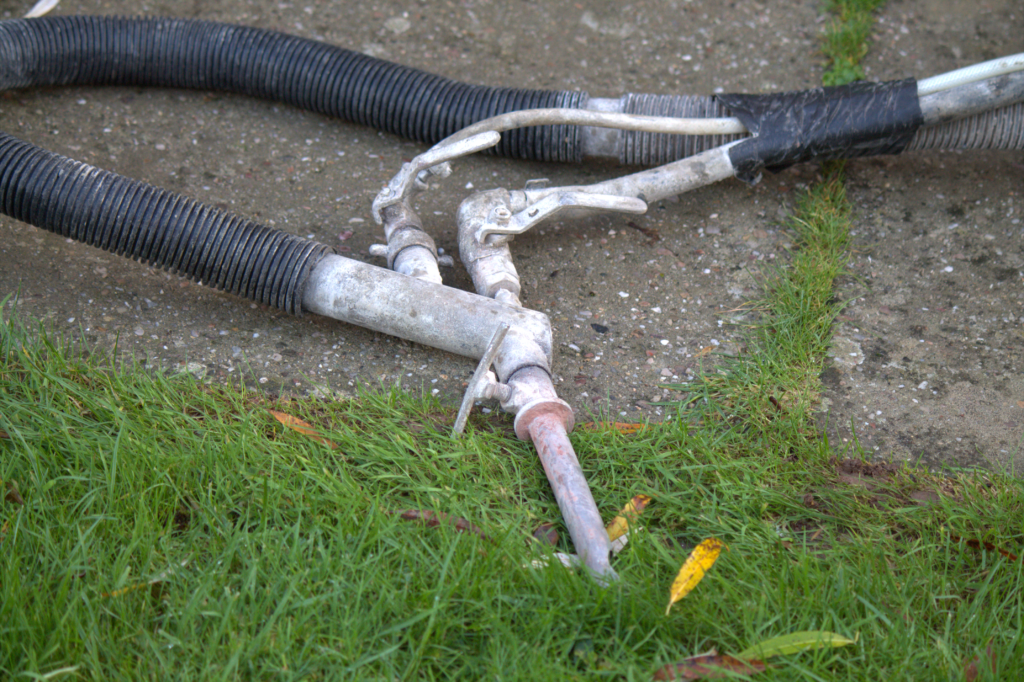
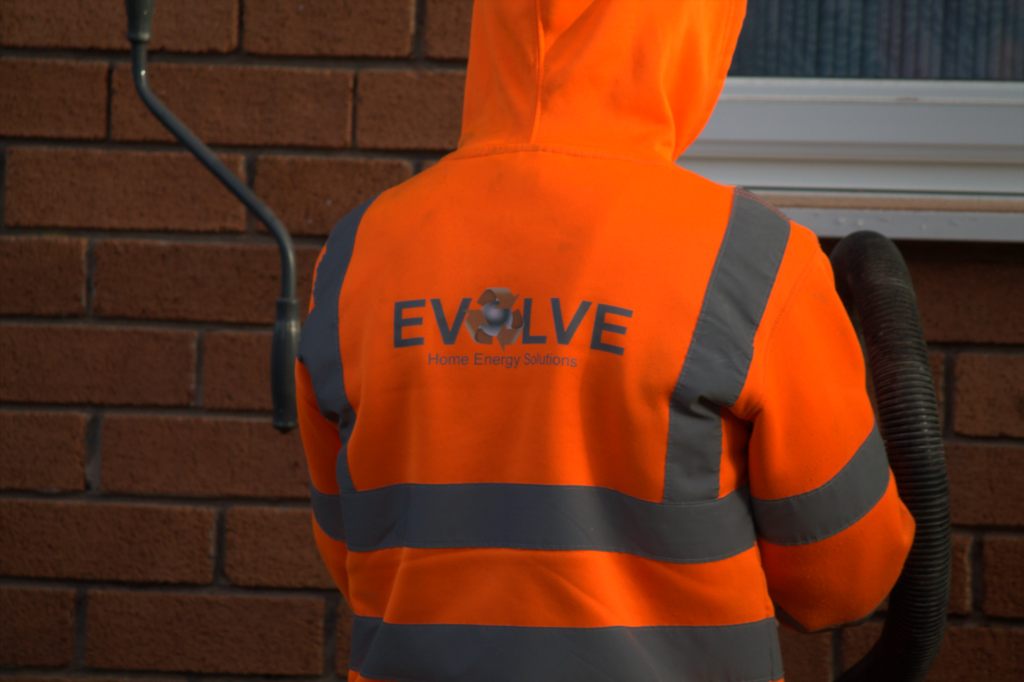
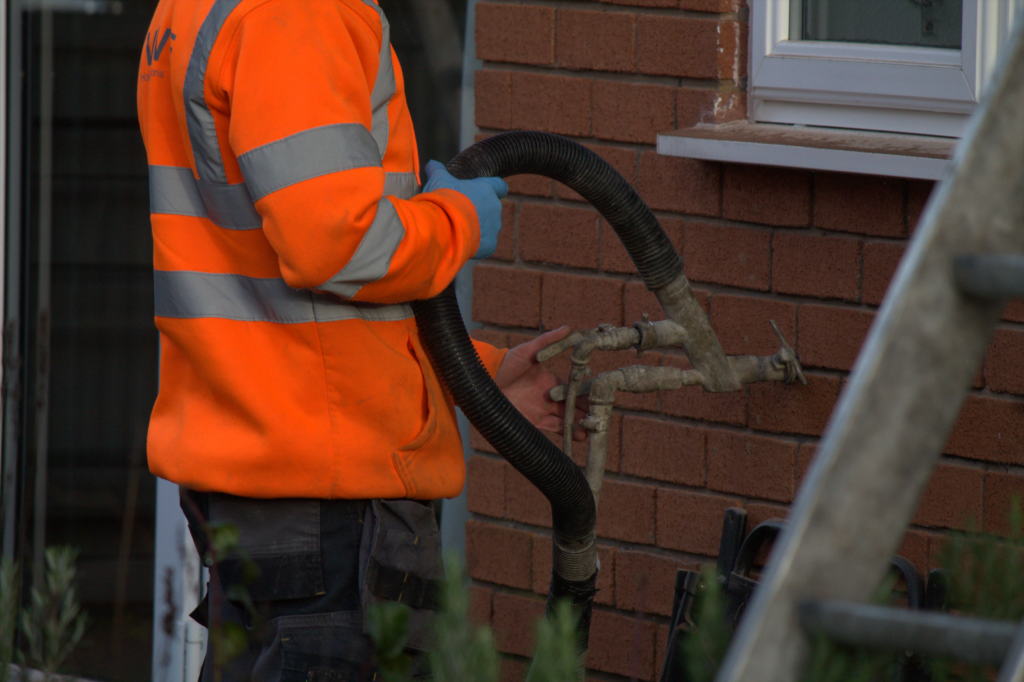
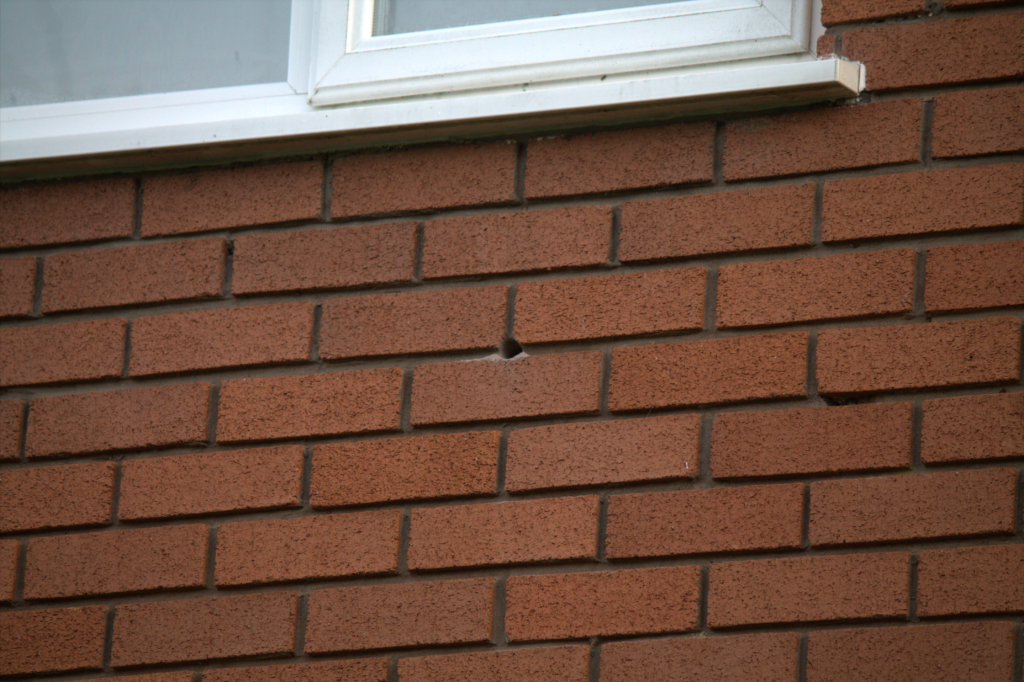
Usually, a team comes round and work from the outside of the house only. Small holes are drilled into the brickwork and insulation will be injected into the cavity using a hose. Nothing should need doing inside, and there should also be no mess indoors. The whole thing is pretty straightforward and done in one visit, with the holes sealed up afterwards using mortar.
How different does it feel inside?
Seeing it done makes you realise how much heat escapes through parts of the house you never think about. The cavity between the walls is basically empty space in a lot of homes. Filling it turns the wall into something that actually holds heat instead of letting it disappear outside. You can feel the difference almost immediately, the temperature feels far more stable, as opposed to drastically warmer or colder.
What’s being sprayed into the wall?
The sticky round pellets sprayed into cavity walls are small insulation beads, usually made from expanded polystyrene (EPS). They’re lightweight and designed to lock together once injected, helped by a bonding adhesive that makes them slightly tacky. This stickiness stops the beads from settling or moving over time, so the insulation stays evenly spread throughout the cavity. Together, the beads trap air inside the wall, which slows heat passing in and out of the house while still allowing the wall to breathe properly.